Can virtual reality training improve the way players scan, process information and make decisions in real matches?
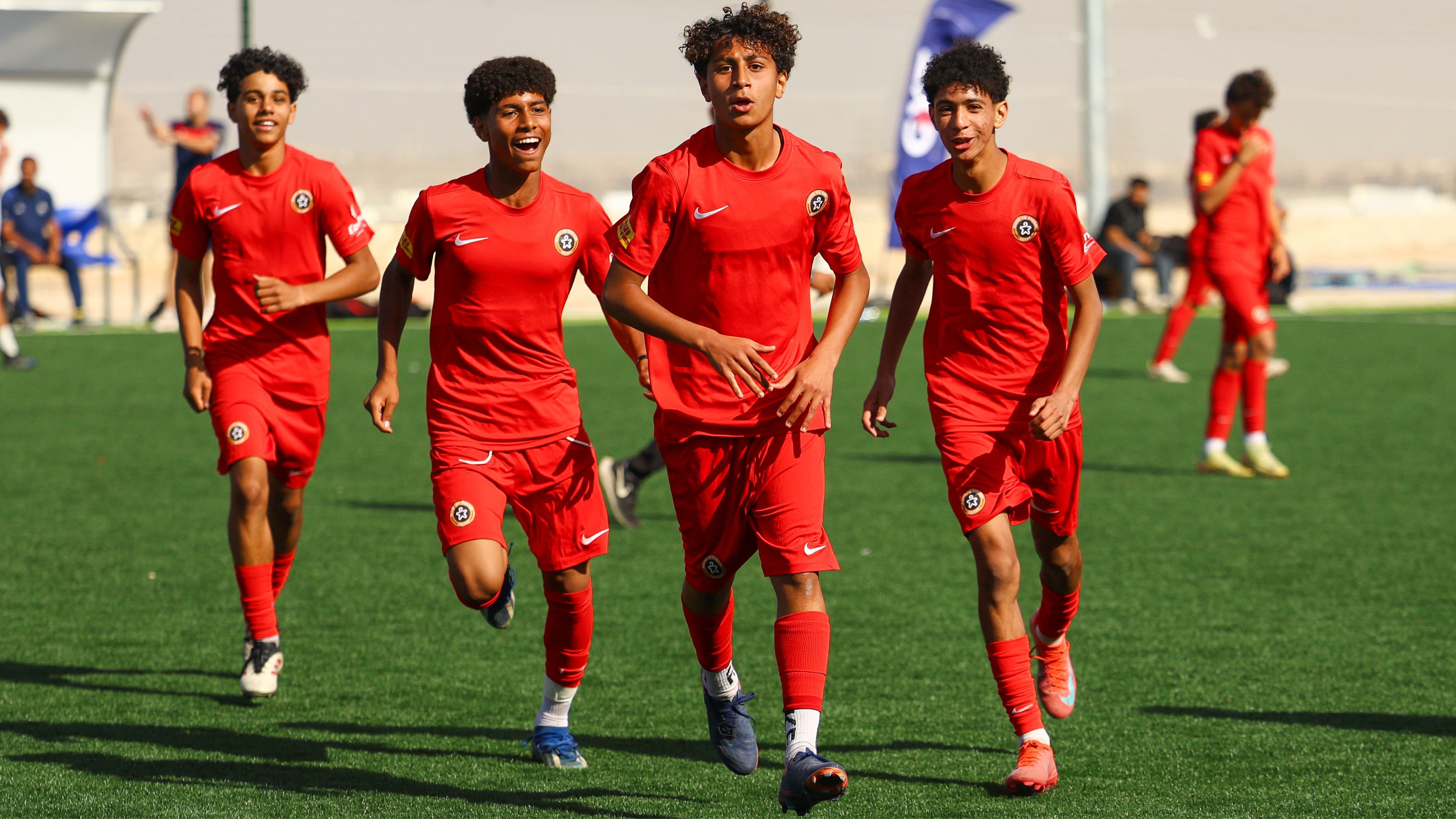
To explore that question, we worked with RFYC on a nine-week study involving 10 players.
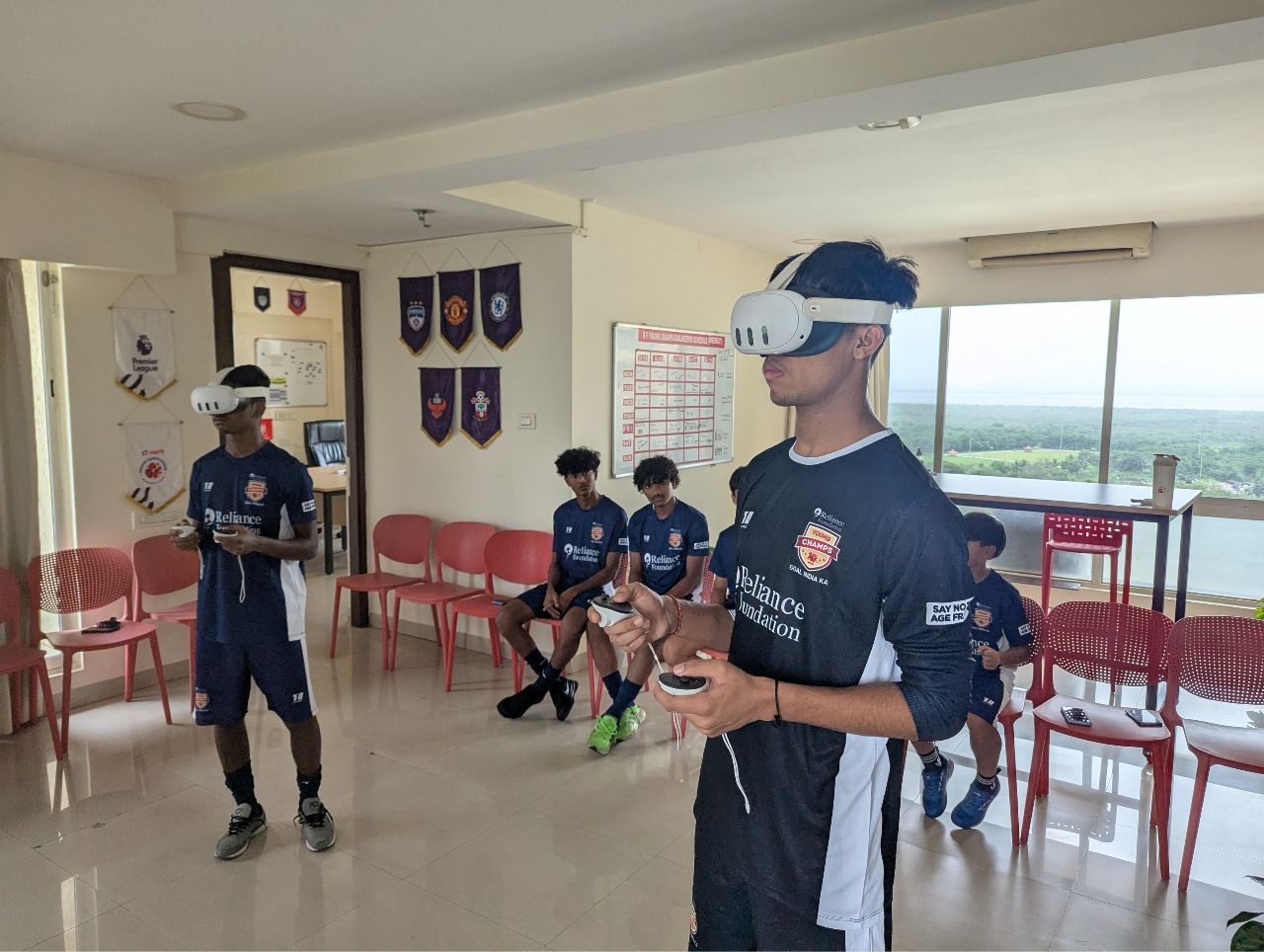
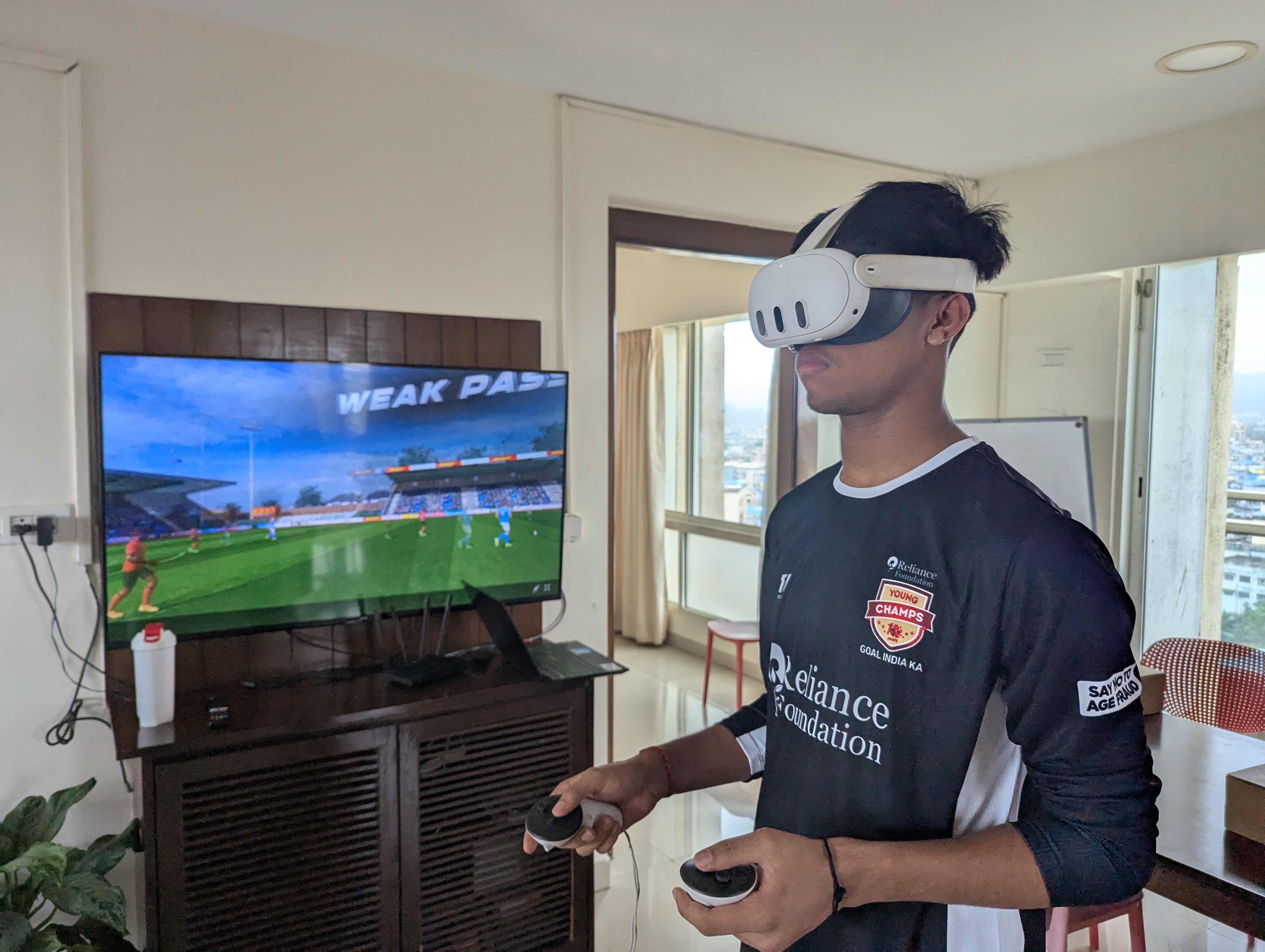
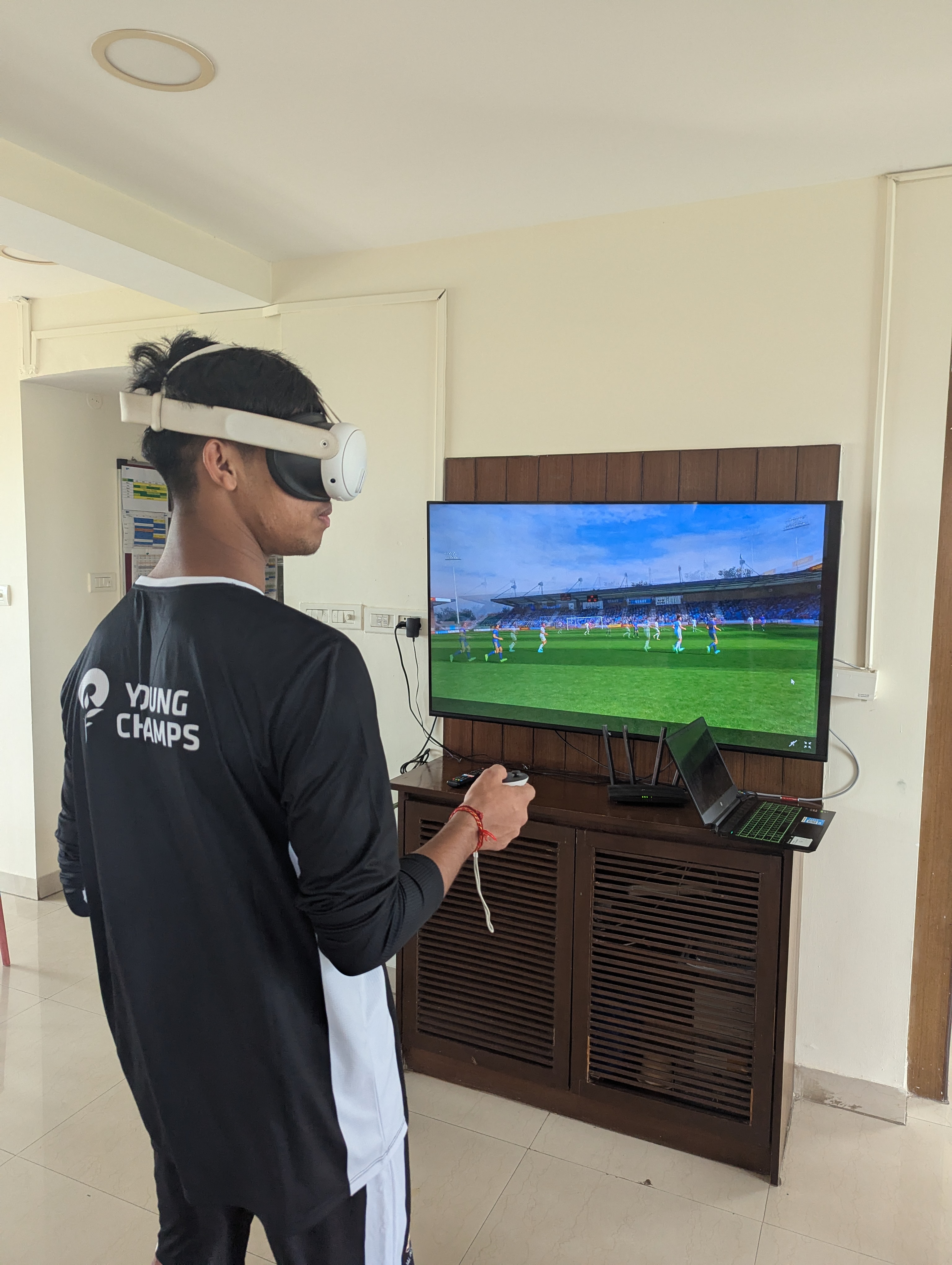
Five players completed a regular programme of Be Your Best VR training, while five players formed a control group and continued with their normal training.
Before and after the nine-week period, we analysed the players in real match situations to look for changes in scanning behaviour and passing performance.
The study
The players were split into two groups:
- Training group: 5 players using Be Your Best over nine weeks
- Control group: 5 players continuing with their normal training
The goal was to understand whether repeated VR training could influence behaviours that transfer into real-match performance.
We focused particularly on scanning behaviour and passing.
Scanning improved across the training group
Across the nine weeks, the training group showed improvements in several scanning metrics.
On average:
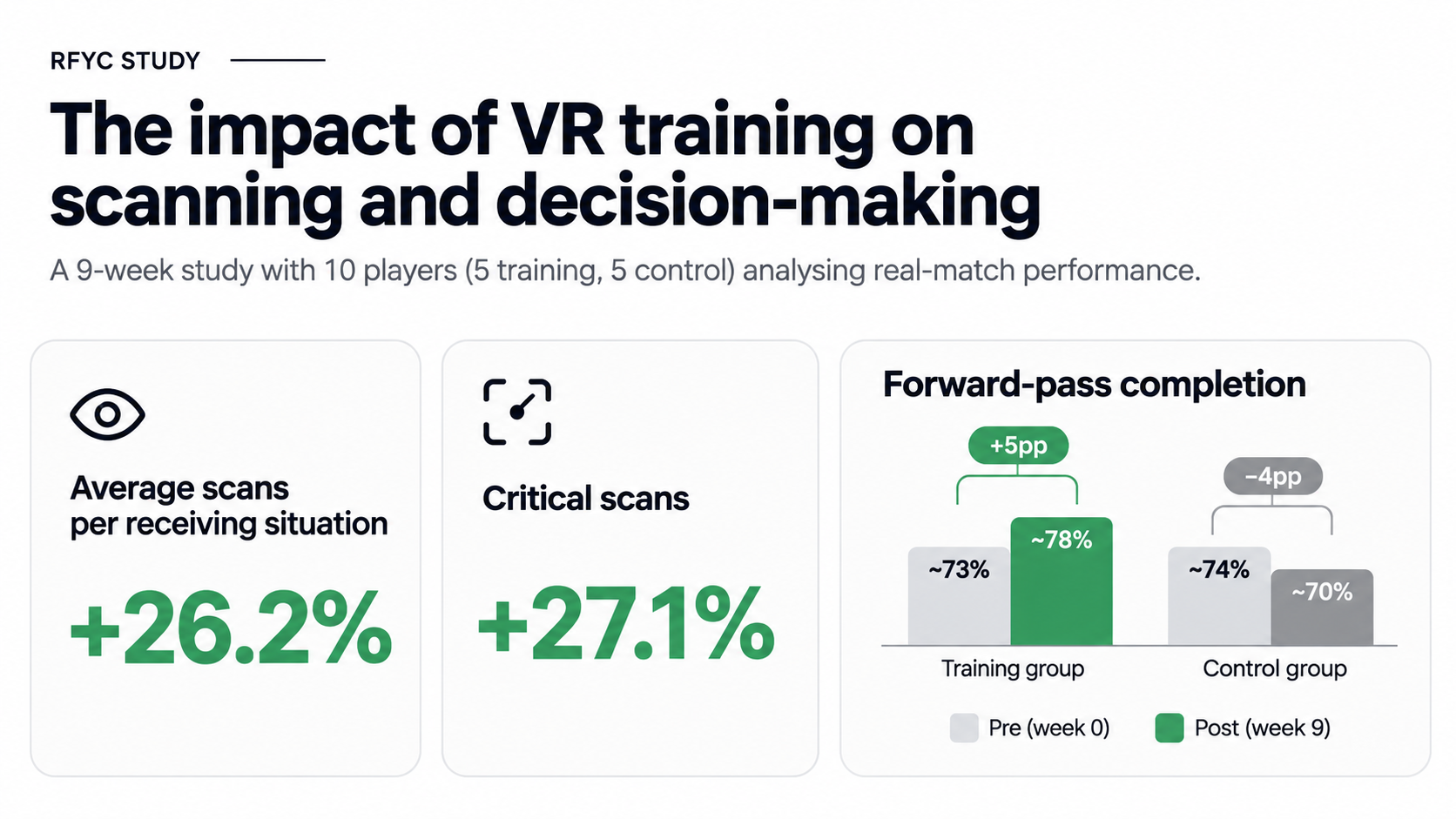
- Total scans increased by 26.2%
- Critical scans increased by 27.1%
- Scanning frequency increased by 21.5%
These are encouraging changes and suggest that the players were taking in more information around them before receiving the ball.
However, scanning also improved within the control group.
That means the scanning results alone don’t allow us to say that VR training was solely responsible for the improvement.
The more interesting difference appeared when we looked at what players did with the information they gathered.
The clearest difference: forward passing
The strongest separation between the two groups came in forward-pass completion.
Across the study:
- The training group improved forward-pass completion by around 5 percentage points
- The control group declined by around 4 percentage points
That created a difference of roughly 8-9 percentage points between the two groups by the end of the study.
This is particularly interesting because scanning is only valuable if the information gathered helps players make better decisions.
A player can look around frequently, but the real question is whether they recognise the right option and execute it successfully.
In this study, the players completing VR training became more successful at completing forward passes in real match situations.
From scanning to decision-making
One of the challenges when measuring game intelligence is that individual behaviours don’t exist in isolation.
Scanning, awareness, decision-making and execution are all connected.
A player needs to:
- Gather information before receiving the ball
- Understand the space, pressure and available options
- Select the right action
- Execute that action successfully
The findings from the RFYC study are interesting because they suggest the biggest change may not simply be players looking around more often, but how effectively they use that information once they have it.
What can we take from the study?
This was a small study involving only 10 players, so the results should be treated as an early indication rather than definitive proof.
But the findings provide an interesting signal.
After nine weeks of VR training, the players using Be Your Best showed improvements in scanning behaviour and, most notably, a clear improvement in forward-pass completion compared with the control group.
For us, that is the most important question around VR training:
Can the behaviours players practise in VR transfer into the real game?
The early results from RFYC suggest they can.