
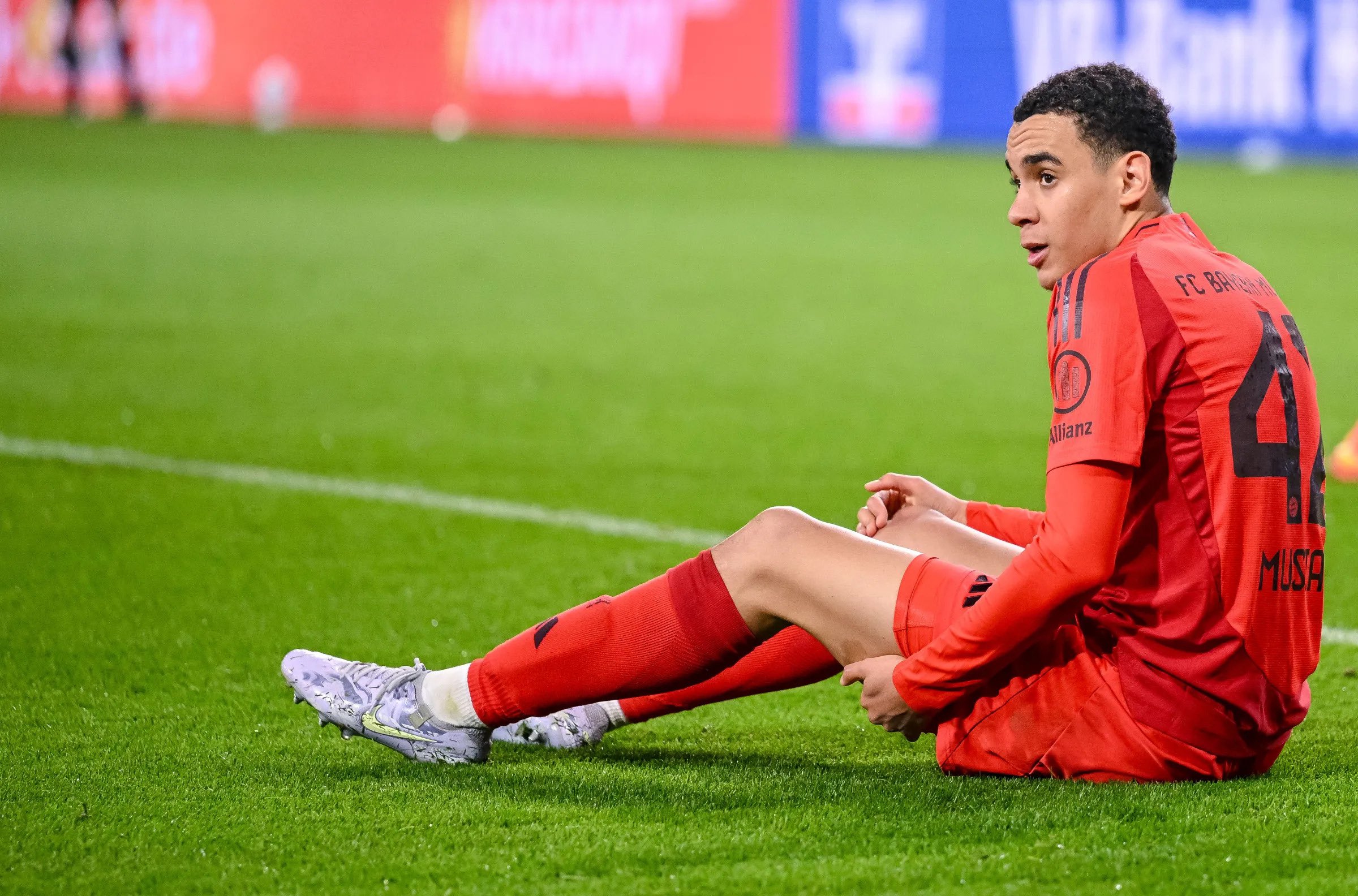
In 2018, Martin Ødegaard suffered a broken metatarsal in his foot. The physical recovery went exactly to plan.
What he did differently was use VR football training throughout the layoff, keeping his scanning habits, decision speed, and spatial awareness match sharp while his ankle couldn't take any physical load. When he came back, his football brain had never left match mode.
Most players don't understand this. No fitness test measures whether the neural pathways driving match-specific decision-making have weakened during time away from the pitch.
The player steps back into training physically prepared and cognitively behind the level they left. That gap is measurable, and unlike an injured hamstring, it can be maintained throughout the entire recovery period.
What Actually Decays During an Injury Layoff?
When players are removed from football environments for weeks or months, the neural pathways governing match-specific cognition go unstimulated. Decision latency increases. Spatial awareness deteriorates. Pattern recognition goes blunt.
The brain rewires itself based on what it is exposed to, and an extended absence from football stimuli has real, cognitive consequences. Most rehabilitation programmes are excellent at what they are designed to do. None of them address this issue.
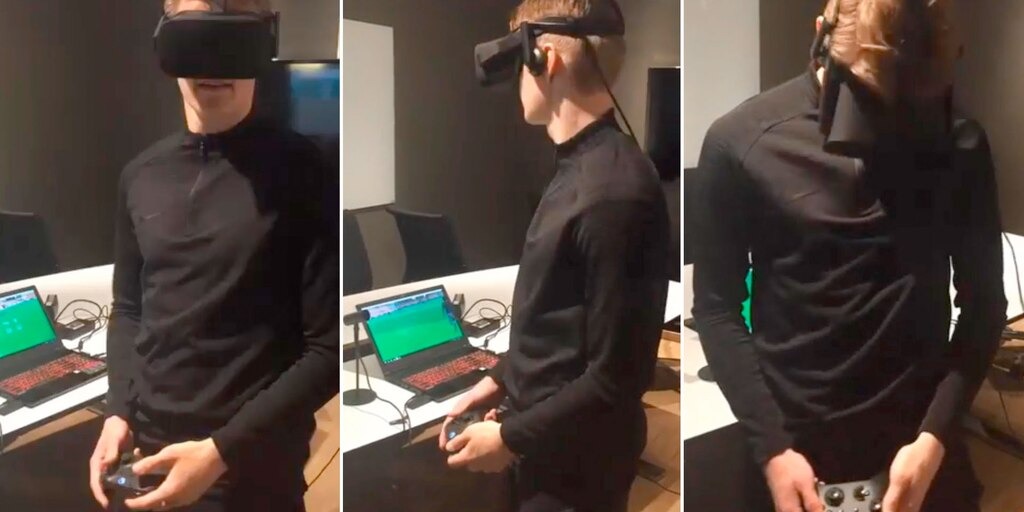
Martin Ødegaard used Be Your Best VR Football Training during his own injury recovery specifically to prevent cognitive decay.
Borussia Dortmund, Union Berlin, FC Copenhagen, and many others have invested in VR football training training for the same reason: these skills drop off without consistent input, and standard fitness testing will not make up the difference until the player is already back on the pitch.
Why Does Traditional Rehabilitation Miss This?
Physiotherapy programmes restore the body. The cognitive gap is not a flaw in this approach but it is outside of its scope. A player can clear every physical benchmark and still return cognitively behind where they were before the injury.
The prefrontal cortex and occipital lobe, which govern decision speed and spatial processing in match situations, are not assessed at any point in a standard return-to-play protocol.
VR Football Training addresses this directly. Players go into first-person match scenarios replicating the perceptual load of live play, with no physical load on the recovering body. Whether it is a hamstring tear, a stress fracture, or ligament damage, the football brain can be kept in match mode from day one of rehabilitation.
What Cognitive Match Readiness Actually Means
Three trainable skills decay during a long injury layoff. These are not natural attributes. They are habits built through repeated exposure to football situations, and they need continued exposure to stay sharp.
• Decision latency is the time between receiving information and acting on it. The player who always seemed to have time on the ball takes an extra touch. The pass that should have gone in one doesn't.
• Spatial awareness is the internal picture a player holds of the pitch at any moment: who is where, what space is about to open, what the pressing shape looks like before it triggers. Ødegaard scans 0.6 to 0.8 times per second before receiving the ball. The ability to create that picture deteriorates without stimulus.
• Pattern recognition is reading situations before they fully develop. The midfielder who drops into space they haven't yet looked at, the forward who peels off a run before the through ball is played. Cognitive habits built through exposure, and among the first things to go.
The Research Behind Cognitive Training in Sport
Neuroplasticity research is clear on this: the brain strengthens pathways through repeated exposure to specific stimuli and weakens them during extended absence.
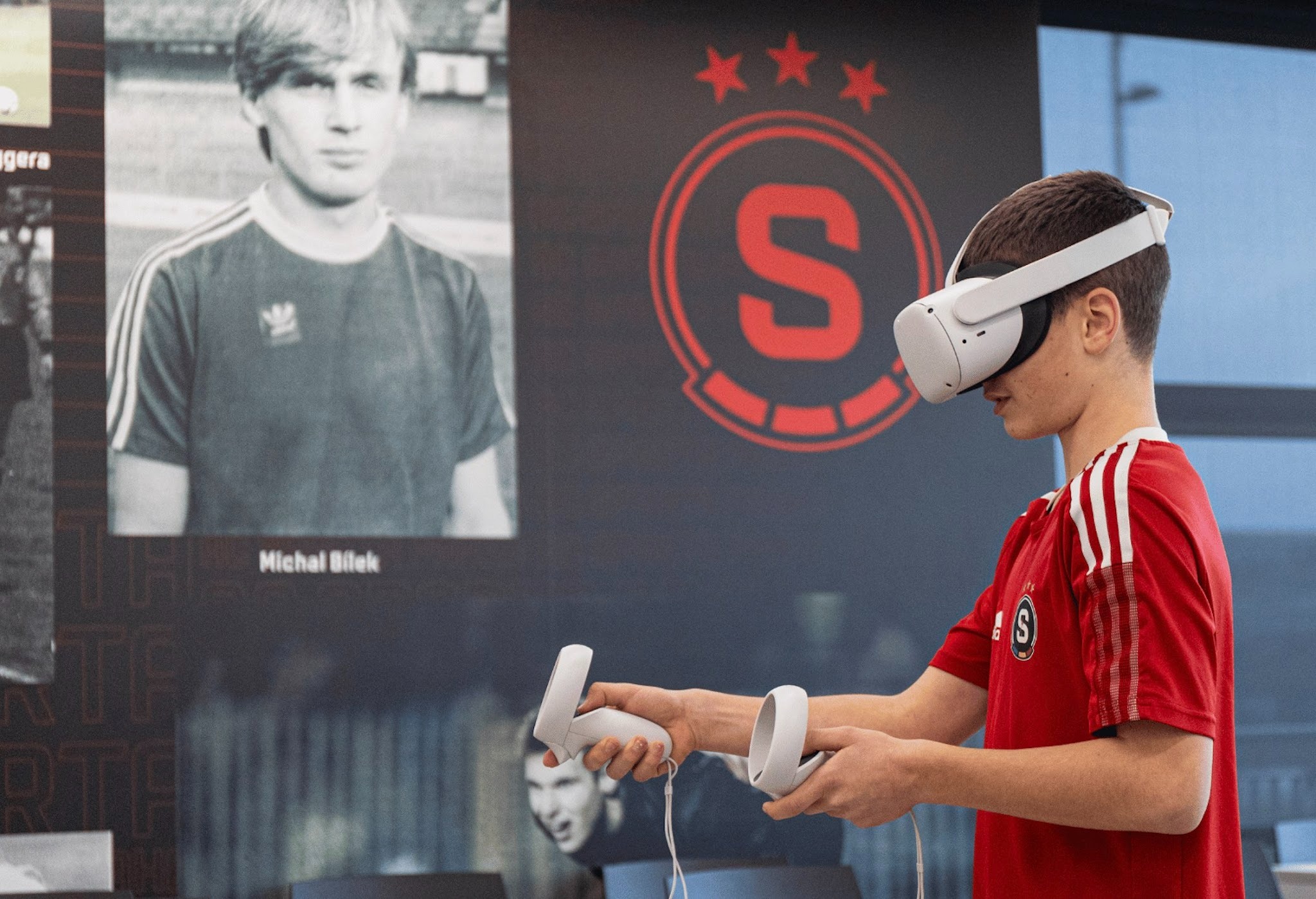
The brain does not need the body to be moving to benefit from sport-specific decision-making stimulus. A player in a VR headset, processing the same visual and spatial demands as a live match, is working the same pathways they use on the pitch. VR football training delivers this at scale, with tracked output across every session.
How to Maintain Cognitive Match Fitness During Recovery
Five drills, each targeting a specific dimension of match cognition that drops off during a long layoff. All can run alongside any physical rehabilitation programme with no load on the recovering body.
1. Passive Scanning Practice - Watch match footage with the sound off, focusing purely on eye movement: wide, rapid, continuous. Most injured players stop consuming football visually within the first fortnight, and the neural habit fades at exactly that point. Target: spatial awareness.
2. Positional Pattern Recognition - Pause footage at a random moment, identify the position of every player, and predict what happens next without looking ahead. Repeat until the answers come quickly. Target: pattern recognition.
3. Decision Speed Drills - VR or video scenarios presenting two options with an immediate forced choice, no deliberation permitted. Be Your Best's Ødegaard Mode runs these at 120 per cent of match speed. Target: decision latency.
4. Spatial Awareness Mapping - After watching a sequence, close your eyes and describe the position of three specific players from the last frame. No visual input, just the internal pitch model kept active. Target: spatial modelling.
5. Full Scenario Simulation - Complete VR match scenarios under time pressure, replicating the full cognitive load of live play. Every session is tracked. Every decision is recorded. Target: all cognitive match-readiness skills simultaneously.
Training Modality Comparison
Frequently Asked Questions
Can you train football skills while injured?
Yes. Decision latency, spatial awareness, and pattern recognition can all be trained without physical load using VR match scenarios, regardless of the injury. Be Your Best was built to fill the cognitive gap that standard physiotherapy programmes leave.
How does VR help with sports rehabilitation?
VR replicates the perceptual demands of live play without physical load, making it suitable for any injury where physical training is restricted. Because physical fatigue is removed, the volume of cognitive repetitions per session is significantly higher than in standard training.
What cognitive skills does football require?
Spatial awareness, pattern recognition, and fast decision-making under pressure. These are trained habits governed by the prefrontal cortex and occipital lobe, and they deteriorate measurably during extended absence from football environments.
.jpg)

.jpg)


